How to Get Ready Your North York Property for Pest Control in 2026
If you are scheduling pest control North York visit in North York, Ontario, the most effective results usually begin before the technician arrives. Thorough preparation helps the inspection go easily, improves access to entry points and trouble spots, and supports more successful treatment for homes, condos, and commercial spaces across this part of Toronto.
Whether you live in condominiums near Yonge and Sheppard, an apartment buildings unit in the Finch area, or a single-family homes property in a quieter neighbourhood, the prep steps are similar: clear out clutter, secure food, follow technician instructions, and make sure the treatment area is easy to inspect. In 2026, a structured room-by-room approach matters even more because many North York residents live in multi-unit buildings where shared walls, hallways, and property management coordination affect the plan.
What should you do before a pest control visit in North York?
Use a clear preparation checklist. Before the appointment, identify where the issue is happening and note any pest indicators such as droppings, shed skins, live insects, scratching sounds, grease marks, or unusual odours. A proper examination often reveals how pests are moving through the property, where they are nesting, and which hiding areas need the most attention.
You want to make the technician’s job easier and more effective. That means improving access to baseboards, cabinets, closets, and utility spaces, while also reducing anything that blocks a thorough property inspection. In many North York homes, especially older buildings and dense urban units, pests travel through hidden cracks and crevices, around pipes, behind appliances, and along floor edges. The more open the area, the better the technician can apply targeted lasting treatment, bait placement, or other IPM methods as needed.
Before the appointment, confirm any special preparation notes based on the pest problem and the product being used. Different infestations require different steps, and some treatments need temporary restriction or limited access to specific rooms. If the company has requested a particular prep standard, follow it exactly rather than guessing.
How do you set up kitchens, pantries, and food areas?
Kitchens and pantries need thorough handling because these are critical sanitation zones. Begin by removing or protecting all open food and moving it into sealed food containers. Glass jars, plastic tubs, and tightly closed bins are recommended because they reduce contamination risk and make storage more organized during treatment.
Next, sanitize countertops, tables, and food-prep areas. A well-kept kitchen helps reduce pest attractants and supports better sanitation overall. Wipe crumbs, grease, and residue from appliances, shelves, and cabinet edges. Focus on places where debris collects behind toasters, kettles, coffee makers, and microwaves. Small appliances should be unplugged and moved if the technician needs access behind them.
Do not forget pantry shelves, pet food areas, and dish storage. If food packaging is opened, store it in sealed containers or dispose of it if there is any sign of contamination. This is especially important in North York apartment and condo settings, where pests can spread quickly through shared walls and food attractants can pull them into adjacent units.
Once clearing the space, check under sinks, around plumbing, and near waste bins. These areas are common travel routes for cockroaches, ants, and rodents. If your technician plans a treatment near food zones, you may be asked to keep those surfaces clear for a specified period after the visit.
What should you move or cover in bedrooms and living areas?
Sleeping rooms and living rooms often need a few simple adjustments to increase access and treatment coverage. Furniture relocation is one of the most helpful steps. Move beds, sofas, dressers, and chairs away from walls when possible so the technician can reach baseboards, outlets, and edges where pests hide.
Strip linens from beds if bed bugs are part of the concern, and place them immediately into sealed bags or straight into the laundry. Bed bug prep often depends on reducing hiding spots and making it easier to inspect seams, frames, headboards, and nearby furniture. If the treatment involves mattresses or box springs, follow the company’s exact instructions for covers, encasements, or temporary removal.
Electronics should be handled with care. Unplug items that may block access, but do not dismantle anything unless the technician asks you to. Computers, game systems, routers, and televisions may need to remain in place or be covered lightly depending on the treatment type. Always protect valuable devices from dust, moisture, or product overspray when applicable.
Also think about wall access. If furniture, wall art, storage units, or shelves block trim lines, the technician may not be able to inspect or treat the full perimeter. Since many pests travel along edges and behind furnishings, clear wall space helps with both inspection and exclusion work.
How do you prepare if you live in a condo or apartment in North York?
The prep work in condominiums and apartment buildings is not always as simple as unlocking the door for a technician. In North York, many residents live in multiunit buildings where condo bylaws, building policies, and property management rules govern what can happen, when it can happen, and how much notice is required.
If you are in a condo near Yonge and Sheppard or a rental tower in the Finch corridor, verify whether management requires advance booking, elevator protection, resident disclosure, or written notice before treatment. In some buildings, hallways, utility rooms, and garbage areas are shared, so the pest issue may involve more than one suite. Shared walls, vents, and common corridors can let pests to move between units, which means coordination is often just as important as the treatment itself.
Make sure your suite can be accessed on the scheduled date. This may include providing entry instructions, making arrangements for keys, or confirming whether the technician can enter with management approval. Condo board or landlord access rules in North York can also affect re-entry timing, especially if the treatment requires the resident to leave for a while. Ask in advance how long the unit should remain vacant and when it is safe to return.
In buildings where a broader infestation is suspected, the company may recommend a building-wide integrated pest management approach that includes sanitation, monitoring, exclusion, and follow-up treatment. That can involve more than one resident or unit, so communication with property management is essential.
What are the child and pet safety steps before service?
Strong animal safety and safety for children planning is a major part of any pest control preparation. Before treatment, move all animals out of the treatment area if possible. If they cannot leave the home, keep them in approved travel crates and keep them in a separate room that will not be treated. Aquariums, bird cages, and reptile enclosures may need extra protection or temporary relocation depending on the product and method used.
Pet dishes, litter boxes, chew items, and bedding should also be moved out of the area or covered as directed. Some treatments require that pets stay away until the room is fully dry or until a specified entry time is reached. Do not assume a treatment is harmless just because it is routine; always confirm the instructions first.
For children, remove toys, learning materials, blankets, and frequently used items from the treatment zone. Store them in a safe room or seal them in bins if needed. Babies’ items, playpens, and sleep accessories should be protected the same way. If your household includes toddlers or children who crawl and touch floors often, make sure the floor-level areas are handled carefully and that post-treatment restrictions are understood before anyone returns.
When in doubt, ask the technician how long the room should remain off-limits and what surfaces can be touched after treatment. This is especially important when bait placements, crack-and-crevice work, or residual products are used near baseboards and hidden spaces.
How should you handle laundry, disorder, and storage areas?
Proper pest prep usually means minimizing the areas where pests can hide. Kick off with lessening clutter in bedrooms, closets, basements, storage rooms, and utility spaces. Heaps of paper, bags, boxes, and rarely used items create shelter and make inspection more difficult. The more clutter you remove, the easier it is for the technician to see movement, droppings, nests, and access routes.
Laundry also matters. Clothes, bedding, and fabric items should be separated, bagged, and washed if the pest problem involves bed bugs or if the company requests laundering as part of the prep. Keep clean items separate from dirty items so they do not become mixed during the process. Use durable bags or bins to move laundry, especially in apartment buildings where hallways and shared laundry rooms can complicate transport.
In closets, raise items off the floor and leave room near the back wall where pests may be hiding. Open storage bins so the technician can assess what is inside, or close and label them if access is not needed. Transparent bins are often more practical for monitoring because they make it easier to spot signs of infestation.
Do not forget shelves in basements, garages, and utility rooms. These places often contain seasonal items, paper goods, and extra clothing that attract rodents and insects. Keeping these areas organized helps with sanitation, exclusion, and follow-up monitoring after treatment.
What does post-treatment readiness look like?
After treatment, the work is not completely done. The follow-up phase is about preserving the work that was just completed and preventing actions that could diminish effectiveness. First, confirm the full re-entry time before anyone re-enters to the treated area. Some rooms can be returned to quickly, while others require a extended wait depending on the product and application method.
Observe all cleaning restrictions. In some cases, you may be told not to mop, wipe, or deep-clean specific surfaces immediately after treatment because that could strip off the product or disturb bait placement. If the company has used a residual treatment or targeted baiting system, preserving those materials is often crucial for ongoing control.

Ask about follow-up visits before the first appointment ends. Many pest issues require more than one service, especially in dense North York housing where reinfestation can happen through neighbouring units or hidden routes. The technician may also set traps or other monitoring devices to monitor activity after the initial visit.
Continue watching for signs of pest movement. Monitoring is a key part of preventive pest management, especially for bed bugs, cockroaches, and rodents. If activity continues, report it quickly so the technician can adjust the plan. Good communication supports better long-term exclusion and less disruption for residents.
What pest issues are common in North York homes in 2026?
A number of pest problems remain especially relevant in North York homes and buildings in 2026. Bed bugs are still common in multi-unit properties because they travel through luggage, furniture, and shared building spaces. They can be found in suites, furnished rentals, and apartment buildings where residents move frequently or where inspection access is limited.
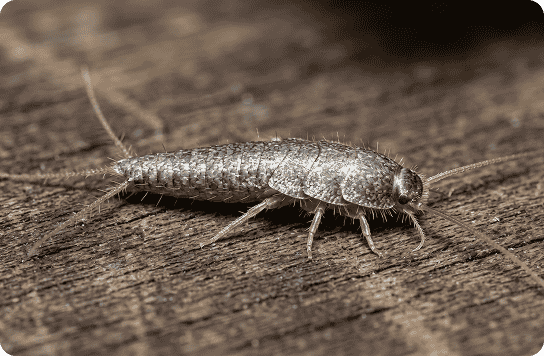
Cockroaches are also a frequent issue, particularly in kitchens, laundry rooms, and buildings where food sources and moisture are easy to find. They tend to hide in warm, dark cracks and crevices, which makes sanitation and exclusion important.
Ants frequently get busier during hotter Toronto weather stretches, especially when humidity or food is available indoors. Wasps may show up in summer and the early autumn season around exterior entry points, balconies, and rooflines. Meanwhile, rodents are a more serious problem in colder months when they seek comfort and shelter in basements, wall voids, attics, and utility spaces.
In some neighbourhoods, homeowners also contend with squirrels, especially around rooflines, soffits, and attic entry routes. While not always treated the same way as insects or mice, squirrels can still need exclusion, inspection, and careful access planning. The right preparation helps the company identify where they are entering and whether sealing work is needed.
Because North York includes both older housing stock and newer high-density developments, pest pressure can vary by building type. That is why a customized approach works better than a generic checklist.
What questions should you ask your pest control company?
Before the appointment, ask questions that explain the process and help you prepare correctly. Start with the treatment plan. You should know what pest is being targeted, what product or method will be used, which areas will be treated, and whether the focus is on inspection, baiting, exclusion, or a combination of methods within an integrated pest management program.
Ask for the safety data sheet if you want to review product details, especially in homes with pets, children, or sensitive occupants. You should also ask how the company handles disclosure, whether there are any specific treatment-area restrictions, and what sanitation steps are recommended before and after service.
Clarify the warranty terms. If pests return, how does the company handle a follow-up treatment? Is monitoring included? Does the warranty cover the same pest type, and are there conditions that must be met for it to remain valid? Good companies will explain what is included and what preparation is your responsibility.
Finally, find out which part of the prep is most important for your property type. A family home may need additional basement and attic access. A condo may need additional coordination with property management. A rental unit may need landlord approval, resident disclosure, or building access arrangements. The right questions make the appointment smoother and help avoid surprises.
North York preparation checklist for 2026
Follow this straightforward checklist before your pest control appointment in North York:
- Go over the appointment details and double-check the treatment date, time, and any schedule coordination requested by the building or landlord.
- Prepare a full pre-treatment checklist for food, clothing, clutter, and pet items.
- Place food into sealed food containers and wipe countertops in kitchens and food areas.
- Unplug or move small appliances if needed so the technician can reach behind them.
- Pull furniture away from walls for better access to baseboards and perimeter edges.
- Launder or wash bedding and handle laundry as directed, especially for bed bug prep.
- Reduce clutter in closets, storage rooms, and utility spaces.
- Inspect access points, including doors, windows, pipes, vents, and cracks and crevices.
- Move pets, children’s items, and toys out of the treatment zone for proper pet safety and child safety.
- Coordinate property management if you live in a condo or apartment building.
- Verify the expected re-entry time and any cleaning restrictions.
- Inquire whether a follow-up treatment or inspection is part of the plan.
- Perform a final walkthrough before the technician arrives to make sure nothing is missed.
For many people in North York, Ontario, preparation is what turns a stressful pest issue into a manageable process. No matter if you live in condos, apartment buildings, or single-family homes, a thoughtful setup helps the technician work efficiently and supports a better long-term result.
Frequently Asked Questions
How far in advance should I prepare for pest control in North York?
Most houses and units should start getting ready at least a day or two before service, but more extensive cleaning or condo coordination may require more time. If approval from property management, booking access, or handling laundry and clutter reduction is needed, start as soon as the appointment is confirmed. For bed bugs or heavy infestations, starting earlier is usually a good idea.
Do I need to clean before pest control comes?
You don’t require a thorough cleaning, but you should do specific cleaning and sanitation. Pay attention to crumbs, grease, clutter, and https://toronto-onid248.hexaforgey.com/posts/conditions-in-mississauga-on-monthly-temperatures-and-precipitation accessible surfaces so the technician can inspect and perform treatment effectively. Vacuuming floors, wiping down food areas, and clearing baseboards are usually more essential than a full-house scrub.
Should I leave my home during treatment?
This varies based on the chosen treatment and the materials applied. Some applications require residents to leave the property until the room is dry or until a designated re-entry time is reached, while others allow you to stay in separate sections of the home. Make sure to follow the technician’s instructions, more so if pets or children are in the household.
How do I prepare a condo unit for pest control?
In a condo, check with property management first and review condo bylaws or building notices. Verify access procedures, elevator rules if applicable, and whether the technician needs building entry approval. Inside the unit, clear food, move furniture, reduce clutter, and ensure hallways, closets, and treatment areas are accessible.
What should I do after pest control treatment is complete?
Adhere to the re-entry guidelines, honor any cleaning restrictions, and look for pest activity as part of tracking. Keep the area as recommended so bait stations or residual treatment can work effectively, and book any subsequent visits if needed. If you detect renewed activity, let us know it quickly so the technician can adjust the plan.