How to Prevent Pests from Returning After Pest Control in Brampton
Getting rid of pests is only half the job. The main challenge is making sure they do not reappear after control. For homeowners looking for pest control Brampton, long-term results depend on a blend of caulking, housekeeping, monitoring, and timely follow-up. Whether you live in a standalone house, a row home, or one of Brampton’s newer communities, the local housing mix can create entry points and shared-wall risks that make a recurring infestation more probable if prevention is not done thoroughly.
Strong pest prevention is not about one-time spraying. It is about building a routine that extends the treatment residual, eliminates food sources, minimizes nesting areas, and reinforces home sealing. In Brampton, where pest pressure varies through the year, that approach matters even more. Rodent pressure often rises in colder months, while spring ants and other warm-weather pests become active as temperatures and humidity rise.
How come pests reappear after treatment
Pests often reappear for a few typical reasons. First, the reason is straightforward: the original problem was treated, but the conditions that brought in pests were not changed. Even the best pest control Brampton service cannot provide long-term protection if pests still have access to food, moisture, and shelter.
Another common reason is hidden access. Tiny cracks and gaps, open vents, loose trim, and poorly sealed pipes create entry points that let pests move back in after the treatment begins to fade. In Brampton’s mix of suburban homes and shared-wall properties, this can happen fast, especially if neighbours are also dealing with pest activity. One reason for this people sometimes compare local options such as orkin canada and other providers when they want stronger long-term protection.
It is also important to remember that some pests are hardy by nature. Ants may keep scouting after a treatment if a trail is still active nearby. Mice can test sealed areas and exploit tiny openings. Cockroaches can hide in warm, humid spaces and reappear if sanitation slips. A professional plan should use integrated pest management, not just a one-time product application.
If you have ever searched for pest control brampton prices or pest control brampton cost, you have probably seen that services vary based on infestation level, home size, and whether monitoring or a follow-up service is included. Cost matters, but so does the plan that keeps pests from returning.
orcins canada is sometimes used online as a variation people type when searching for a national pest provider, but the key takeaway is the same: prevention after treatment should be part of the service, not an afterthought.
What you should do soon after pest treatment
The first 24 to 72 hours after treatment are vital. Your provider may give you instructions about when it is safe to enter treated rooms, when to vacuum, and what to avoid cleaning. Following those directions preserves the residual spray and helps the treatment work longer. If you clean too aggressively too soon, you may strip away the active product before it has time to control hidden pests.
Keep the home https://richmond-hill-onmg829.timeforchangecounselling.com/pest-control-brampton-kijiji-local-options-prices-and-technicians as recommended and focus on sanitation. That means removing crumbs, doing dishes quickly, putting food away properly, and removing anything that could attract pests back in. A regular sanitation routine is one of the most effective ways to prevent pests from coming back after treatment.
If you were treated for rodents, especially if you needed mice control Brampton, ask whether bait stations, traps, or exclusion repairs were part of the plan. Monitoring traps can show whether activity is going down or whether the problem is still active somewhere in the structure. Rodent issues often need patience, because mice may have different access points through walls, garages, basements, and utility spaces.
Right after treatment, it is smart to:
- Observe all label and technician instructions exactly
- Keep pets and children away from treated areas as directed
- Avoid scrubbing baseboards, cracks, and harbourage zones too soon
- Continue basic cleaning and food storage practices
- Watch for pest activity and report changes during the follow-up inspection
Many homeowners are surprised that the greatest results come from the basics. Treatment gets the starting population under control, but sanitation and observation help keep the problem from restarting.
Secure the house to block re-entry
Keeping pests out is one of the most successful forms of pest prevention. When preventing re-entry is the goal, you have to identify and block the pathways they use. In simple terms, that means sealing entry points with proper materials and checking the whole exterior and interior for weak spots.
Start with caulking around gaps in siding, window frames, baseboards, and utility penetrations. Use draft seals on doors and garage entries where light can be seen coming through. Inspect the foundation for foundation cracks, especially around basement walls and window wells. Even very small openings can be enough for mice, ants, and cockroaches.
Do not overlook pipe openings where pipes, wiring, cable lines, and vents enter the home. These are classic access points in Brampton homes, especially in newer developments where exterior finishes may look sealed but utility penetrations were not fully finished. Shared walls in townhomes can also create hidden movement routes between units.
Rodent proofing should include a thorough check of the garage, attic, basement, and furnace room. Mice can squeeze through surprisingly small gaps, and they often travel along protected edges rather than across open floors. If you see signs of gnawing, grease marks, or droppings, treat it as a clue that exclusion work still needs attention.
Good home sealing is not a one-time weekend job. Recheck areas after storms, freeze-thaw cycles, and renovation work. Over time, small shifts can reopen cracks and gaps, which is why periodic inspection is part of long-term protection.
Eliminate food water, and cover supplies
Insects return when the home still offers what they depend on most. If you remove sources of food, moisture, and cover, you make your home much less appealing. This is the core of any practical sanitation routine.
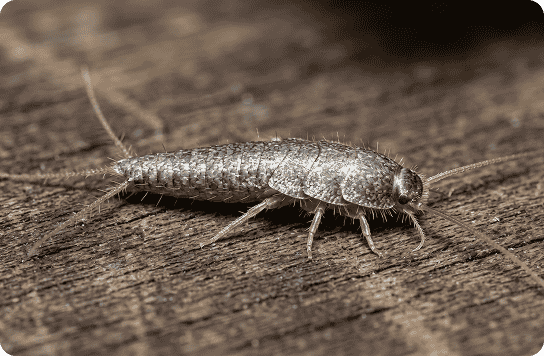
Start with stored food. Store dry goods in airtight containers, not in open bags or cardboard boxes. Clean pantry shelves regularly, and look for spills under appliances. Pet food should be stored in tightly closed bins and not left out overnight unless necessary. Even small crumbs can support ants and cockroaches.
Next, deal with water leaks. Moisture control matters because pests need water as much as food. Fix dripping taps, sweating pipes, wet basement spots, and condensation issues around laundry rooms or bathrooms. Damp areas also support mould and create the kind of environment where insects hide and reproduce.
Then reduce mess. Pests use clutter as cover and nesting material. Cardboard boxes, stacked newspapers, unused furniture, and piles of stored items can create protected sheltered areas. Organize storage off the floor where possible, and leave space between walls and stored items so inspections are easier.
Finally, tighten up waste handling. Use bins with secure lids, take waste out regularly, and clean the inside and outside of trash containers if they smell or leak. Outdoor garbage areas are especially important in Brampton suburbs, where attached garages, side yards, and laneway access can all become pest attractants if bins are not maintained.
The best prevention combines cleaning, drying, and decluttering. That cuts down on the conditions that allow pests to rebuild after treatment.
How Brampton weather influences pest resurgence risk
Pests tied to the season are a key reason homes in Brampton need ongoing prevention. Weather changes do not just shape pest behaviour; they determine where pests move and when they try to enter homes.
In cooler months, winter rodent pressure often increases as mice and rats move indoors looking for warmth, shelter, and food. Basements, utility rooms, garages, and attic spaces can become more active. That is why rodent control often needs a stronger focus on exclusion and monitoring traps during the fall and winter.
In spring and early summer, spring ants commonly appear as the ground thaws and colonies expand. Warm weather also brings more insect activity around patios, windows, foundations, and kitchens. If humidity rises, moisture-loving pests may become more noticeable in bathrooms, crawl spaces, and damp basements.
Because Brampton has a mix of long-standing communities and newer developments, pest pressure can vary from street to street. Some areas have more landscaping, shared walls, or unfinished gaps around construction details. Others are affected by nearby green space or drainage conditions. That is why prevention should be area-specific, practical, and adjusted to the season.
Homeowners often compare local providers like pest control mississauga, orkin mississauga, and orkin toronto when they are trying to understand response times, availability, and follow-up options across the Greater Toronto Area. Brampton’s proximity to Mississauga and Toronto means service coverage, scheduling, and pricing can vary by area, so asking about seasonal service plans is wise.
When to book a second appointment with your pest control provider
A follow-up inspection is often the main difference between a quick fix and a permanent solution. If your provider suggests it, book it. Even if the infestation seems gone, follow-up helps verify that the population is gone and that no new activity is developing behind walls or in hidden spaces.
Reliable providers use visit scheduling planning, monitoring, and targeted revisit service to confirm results. This matters most for rodents, cockroaches, bed bugs, and heavily infested ant problems. A single treatment may cut down on activity, but persistent pests often require additional treatments.
Ask what the coverage covers. A strong warranty can give you added peace of mind if the same pest returns within the guarantee period. It is also useful to know what actions might invalidate the coverage, such as heavy cleaning, renovations, or unsealed entry points.
If you are comparing pest control Brampton cost with other areas, remember that pricing often reflects the complexity of the job. Homes that need exclusion repairs, rodent work, or multiple follow-ups may cost more than a simple one-time treatment. Still, effective prevention can reduce costs by reducing repeat visits and limiting damage.
When asking about pest control brampton prices, make sure the quote explains whether the service includes:
- Initial inspection and treatment
- Follow-up inspection or revisit
- Monitoring equipment or monitoring traps
- Blocking or proofing recommendations
- Warranty coverage and service terms
What to expect from local companies in Brampton
Nearby companies can provide different types of service, and homeowners often compare names such as orkin brampton, abell pest control brampton, and others when looking for the best pest control brampton option. The right choice is more than brand recognition. It is about whether the company emphasizes inspection, prevention, and follow-through.
Some homeowners also check pest control brampton kijiji listings when they want quick quotes or local availability. That can be useful for comparison, but it is still important to confirm credentials, warranty terms, and whether the provider uses integrated pest management instead of depending on repeated spraying alone.
Consider service scope, not just the first visit. Ask whether the provider handles:
- Exclusion and entry-point repairs
- Rodent proofing and mice control Brampton
- Tracking for signs of return activity
- Seasonal service plans
- Detailed directions for post-treatment care
If you are comparing companies beyond Brampton, you may also come across abell pest control windsor, abell pest control collingwood, and other branch references when reviewing abell pest control locations. That can help you understand how broadly a provider operates and whether service quality is consistent across regions.
Price transparency matters too. Ask about abell pest control prices if you are comparing brands, and read abell pest control reviews to learn how well past customers felt their problems were resolved after the initial treatment. The goal is to choose a provider that supports prevention, not just emergency response.
If you need a direct contact path, many homeowners prefer to check for options such as orkin canada email when requesting follow-up details or service questions. The key is to make sure communication is simple and that post-treatment support is responsive.
Managing specific pests from returning
Various pests come back for varied reasons, so preventive measures should be tailored.
Ants: Ants are frequently lured by food spills, sticky residues, and moisture. Sanitize kitchen surfaces regularly, seal pantry items, and watch for trails near windows, sinks, and baseboards. Outdoor ants may also enter through cracks in foundations or door frames. If you see them again after treatment, it may mean the colony is nearby and additional monitoring is needed.
Mice: Mice are one of the most common repeat pests in Brampton homes, especially in colder months. Strong rodent control means combining exclusion, sanitation, and monitoring traps. Check around furnace rooms, garages, attic access points, and utility penetrations. If you have already had mice control Brampton service, continue watching for droppings, scratching sounds, and gnaw marks.
Cockroaches: Cockroaches reappear when moisture, food crumbs, and hiding places remain. Focus on under-sink leaks, appliance gaps, dirty drains, and cluttered cabinets. Cockroaches are especially good at exploiting small protected spaces, so follow-up inspection is often essential if activity was heavy.
Bed bugs: Bed bugs can seem to reappear if they were not fully eliminated or if they were reintroduced through luggage, furniture, or adjacent units. Wash bedding as instructed, use mattress encasements if recommended, and avoid bringing in used furniture without inspection. For bed bugs, monitoring and repeat inspection are especially important because the pests hide well and can survive in tiny harbourage areas.
Whatever the pest, the prevention mindset is the same: inspect, seal, clean, monitor, and stay on schedule with your provider. That approach supports true pest prevention and makes treatment results last longer.
FAQ: pest prevention after treatment
When can pests come back after treatment?
Pests can come back quickly if the original entry points, food sources, or moisture problems are still present. In some cases, activity drops right away but returns as the treatment residual fades or if pests were hiding in untreated areas. That is why a follow-up inspection and good prevention steps matter after the first visit.
What needs cleaning and what should I avoid cleaning after treatment?
Obey your technician’s instructions initially. In general, stay away from cleaning treated cracks, baseboards, and harbourage areas too soon because that can remove the product before it works fully. You can still maintain a basic sanitation routine by wiping food prep areas, storing food properly, and removing garbage as needed. The goal is to clean without disrupting the treatment.
Should I schedule a follow-up after pest treatment in Brampton?
Often, yes. A follow-up service is especially useful for rodents, cockroaches, bed bugs, and heavy infestations. In Brampton, where homes vary from townhomes to detached houses with shared walls and multiple access points, a second visit helps confirm that pests are not regrouping in hidden spaces. Ask about the inspection schedule and warranty coverage when booking.
What are the most common reasons return to a house?
The most common reasons are open entry points, poor sanitation, leaks, clutter, unsealed food storage, and incomplete exclusion work. In many cases, the pest was treated successfully, but the home still offered everything it needed to come back. Integrated pest management reduces that risk by addressing both the pests and the conditions attracting them.
Mosquito Man Brampton16 Rutherford Rd S Unit 203, Brampton, ON L6W 3J1, Canada
https://mosquitoman.ca/
+16472437241
P726+M5 Brampton, Ontario, Canada
https://maps.app.goo.gl/yYb1hcQZ8RbdgabW8
What can I do to stop mice from coming back in Brampton homes?
For rodent control, combine mouse proofing with cleaning and monitoring. Seal foundation cracks, close utility openings, install or repair weather stripping, and use caulking where appropriate. Remove food scraps, store pet food securely, reduce clutter, and keep an eye on monitoring traps. Because Brampton sees stronger mouse pressure in colder months, prevention should stay active through fall and winter.